
An online render farm is not necessary for every 3D project, but there are clear situations where it becomes a practical choice. This article explains when an online render farm genuinely improves workflow efficiency, handles larger project demands, reduces deadline risks, and offers a flexible alternative to costly hardware upgrades.
As a 3D artist, I do not see an online render farm as a tool that should be used for every project. For a long time, my local workstation was enough for most small tasks. However, as project requirements increase, there are moments when relying only on local hardware starts to limit efficiency. From my perspective, the real question is not whether an online render farm is better, but when it becomes a practical choice. I also believe that there are many people who don’t know when they really need to rent an online render farm service to finish their job (like me many years ago). Therefore, based on my experience, I wrote this blog to point out the key situations where using an online render farm genuinely improves production workflow and project delivery.

When Do You Need an Online Render Farm Service?
1. When project scale exceeds your local hardware
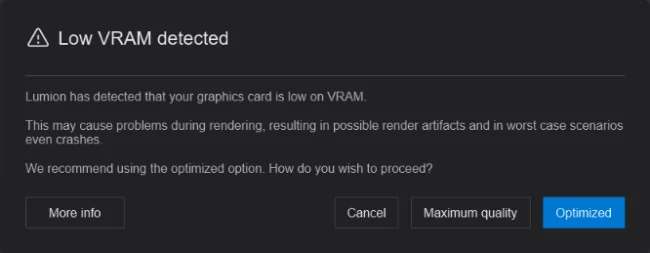
A clear point where an online render farm becomes necessary is when the scale of a project goes beyond what a local workstation can reliably handle. This often appears as VRAM limitations, frequent crashes, or unstable renders when working with high-resolution textures, complex geometry, hair systems, or simulations. From my point of view, this is not a sign of poor optimization, but a natural consequence of growing project complexity. In such cases, an online render farm provides access to more capable hardware environments, allowing large scenes to render more consistently without forcing artists to compromise visual quality or restructure scenes purely to fit local hardware limits.
2. When render time starts to limit production efficiency
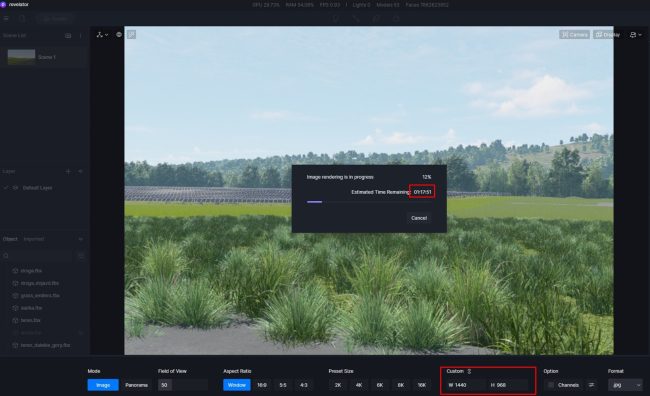
An online render farm becomes relevant when long render times begin to slow down day-to-day creative progress, even before any deadline pressure appears. The issue here is workflow: if every lighting adjustment, material tweak, or camera change requires a long wait to see a reliable test render, the pace of iteration drops sharply. Over time, this reduces experimentation and makes decisions more conservative. It’s not because the artist lacks ideas, but because the feedback loop is too slow. In this context, using an online render farm is a practical way to keep the production cycle moving by shortening the time between “change” and “result”, so creative choices remain driven by intent rather than by waiting time.
3. When deadlines become unpredictable
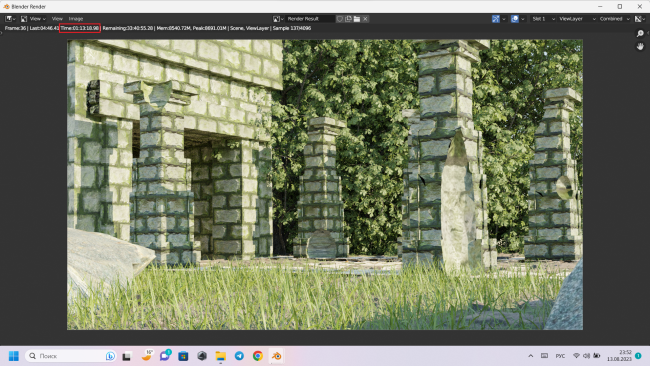
A different situation is when render time threatens delivery reliability, especially when schedules are tight and revisions can happen late. Here, the main problem is not the iteration loop, but timing risk: waiting hours for final outputs, or re-rendering multiple versions overnight on a local machine, becomes uncertain when a client requests changes close to the delivery date. In such cases, an online render farm functions less as a convenience and more as a safety measure. By reducing the time cost of final renders and last-minute re-renders, it helps artists respond quickly to unexpected feedback and meet deadlines with greater certainty, rather than hoping the local workstation finishes on time without errors.
4. When upgrading hardware is no longer a reasonable option
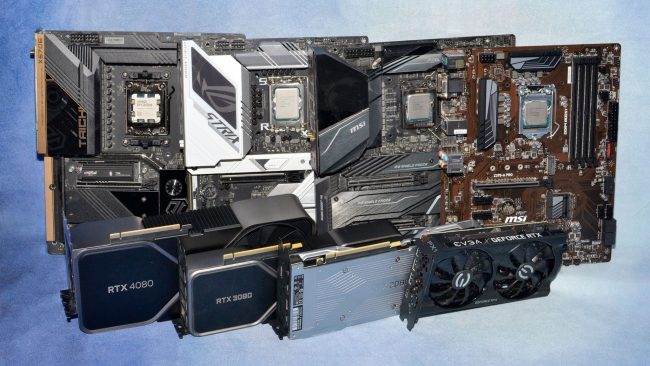
There is also a point where upgrading a local workstation no longer feels like a practical solution. High-end GPUs and additional memory can significantly improve performance, but they come with high upfront costs and are often underutilized outside of peak production periods. Therefore, this is where an online render farm becomes a more rational choice. Instead of committing to permanent hardware upgrades for occasional heavy workloads, artists can access stronger computing resources only when projects demand it. This approach offers flexibility and cost efficiency, allowing production needs to scale up or down without locking the workflow into long-term hardware investments.
Final thoughts
In my opinion, an online render farm is not a mandatory tool for every 3D project, nor should it replace a well-configured local workstation. However, it becomes a practical and well-reasoned choice when render time starts to disrupt creative efficiency, project scale exceeds local hardware limits, deadlines grow unpredictable, or hardware upgrades no longer make financial sense. In these situations, using an online render farm is less about chasing faster renders and more about maintaining control over workflow, timing, and production quality. Ultimately, the value of an online render farm lies in using it selectively at the moments where it clearly supports better decision-making and more reliable project delivery.
Hope that my experience can help you make a decision when you need to rent an online render farm service!

COMMENTS